Translated by AI. This article was originally written in French and translated by Claude, Anthropic’s AI. The French original remains the reference version.
One of the most significant steps in my journey towards using open-source tools exclusively was switching my workstation to an open-source operating system. The change came from a turning point, a revelation that took the form of a gaming device: the Steam Deck, a handheld gaming console based on Arch Linux.
As a video game enthusiast, I was impressed by Valve’s commitment to making an impressive number of games, originally designed for Windows, compatible with Linux. This bold move caught my attention and sparked my curiosity.
That is how I felt the urge to learn more about this operating system, to dive into the world of Linux, and to see whether it could meet my needs beyond gaming. My journey naturally led me to join the Gaming Linux FR community, where I found help and advice to ease my transition from Windows to Linux.
What struck me most in this experience was the open-mindedness, the willingness to share and the dedication of the open-source community to helping as many people as possible make this transition. I quickly realized that the open-source philosophy was part of this community’s DNA. Everyone was ready to share their knowledge, solve problems and make Linux accessible to all.
After testing various Linux distributions, including Debian, Fedora and openSUSE, I finally settled on Arch Linux. This open-source operating system matched my needs 100%. It gave me the flexibility and customization I needed to adapt my working environment to my preferences.
Want an overview of existing distributions? The reference is still DistroWatch! Want to try distributions without installing them (or even booting a live ISO)? DistroSea lets you test them in a VM right in your browser :)
With Arch Linux, I was able to work efficiently using only open-source applications, while keeping a few Progressive Web Apps of Microsoft applications that proved unavoidable. This transition showed me that open source was not only a viable option, but that it could meet every need, whether for productivity, entertainment or any other aspect of digital life.
My adventure with Arch Linux strengthened my conviction that open source is much more than an alternative to proprietary software. It is an open, collaborative and dedicated community, ready to support users as they explore a freer and more transparent digital future.
I watched with great interest this interview with an Arch Linux packager, which gave me a clearer idea of the care the community puts into delivering a satisfying experience to its users while minimizing instability and bugs.

Top-notch gaming performance
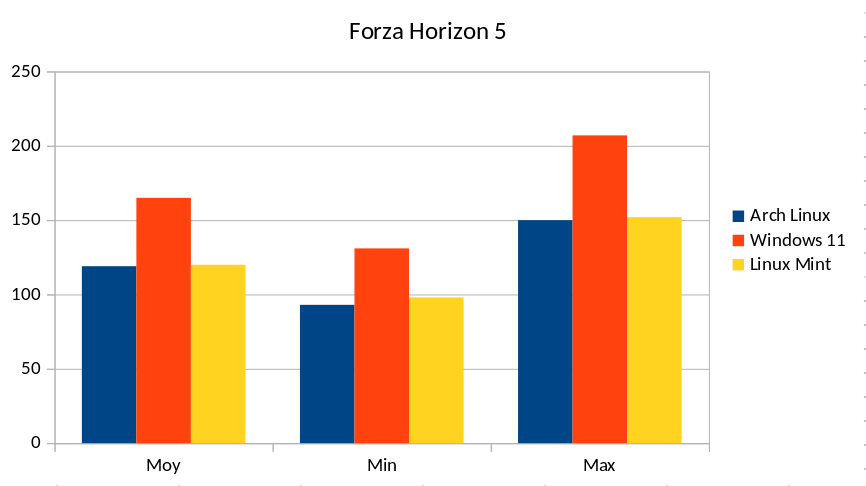
Forza Horizon 5
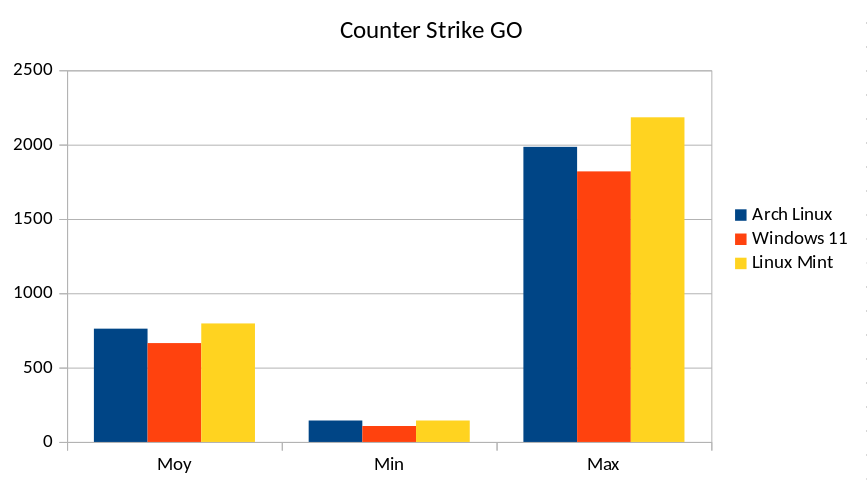
CS:GO
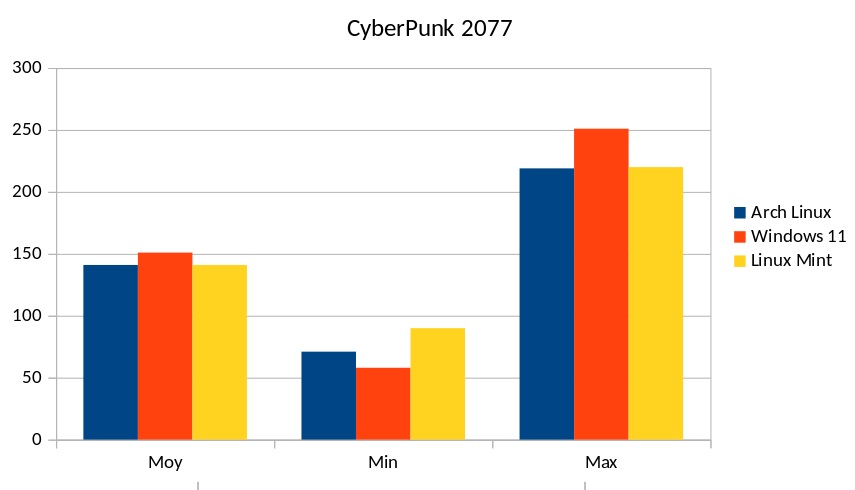
CyberPunk 2077